
Sustainable Northwest’s Fall Energy Symposium 2026
Sustainable Northwest hosted its 11th annual Fall Energy Symposium in Astoria, OR, from September 17th-18th. Over 100 attendees, usually scattered across Oregon, got to come together for the rare opportunity to meet in person instead of through emails and video calls. As always, this amazing event allowed energy experts and local organizations to share their knowledge, successes, program updates, case studies, and roadblocks or needs they are experiencing.
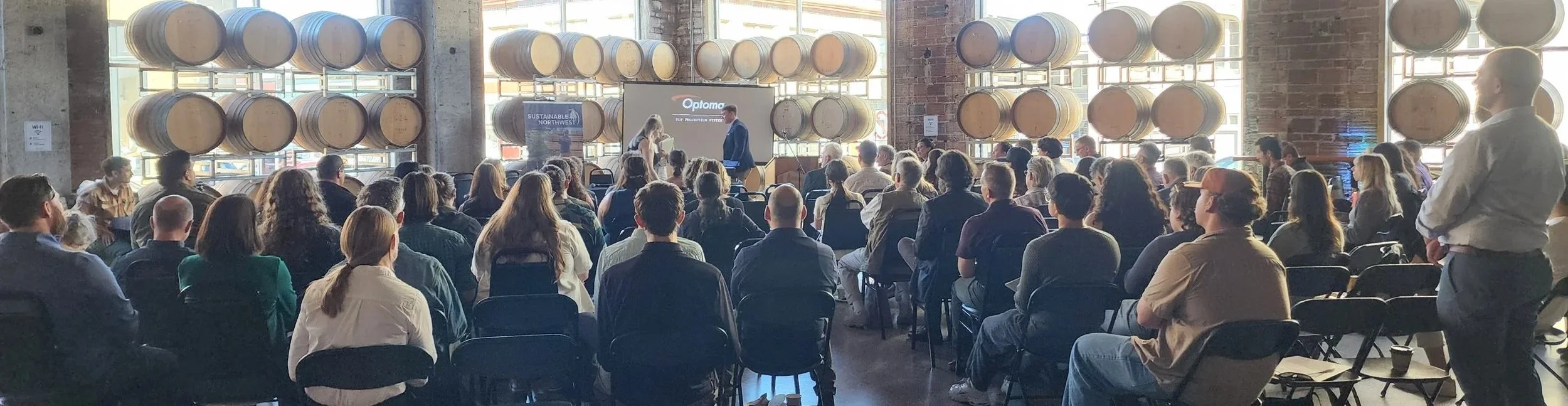
This years symposium was hosted at Fort George Brewery. Photo by: Wy’East RC&D
Key Takeaways:
Resilience plans work best when they fit each community’s unique geography, hazards, and needs.
Rising demand from data centers and electrification makes reliability and transmission planning more urgent.
The existing grid can do more through flexible loads and Virtual Power Plants (VPPs).
Stacked funding and strong partnerships get projects finished.
Local businesses and community gathering locations can become energy resilience hubs.
After the VIP Sustainability Tour of Fort George Brewery, the symposium officially began with a warm welcome from Bridget Callahan at Sustainable Northwest. The rest of the day consisted of three panels, presentations, and Q&As.
Panel 1: Coastal Resilience
Moderator: Eriq Acosta, Project Manager, Spark Northwest
Panelists:
DJennyfer de Melo Berg, Executive Director, Necanicum Watershed Council
Ken Picard, Planning Director, Red Plains Professional
Angela Long, Founder & CEO, Rockcress Consulting
Brendan Irsfeld, AICP, Emergency Coordinator, Lane County Office of Emergency Management
The panel looked at what resilience means for the many communities along the coast, including tribal communities and tourists. De Melo Berg walked through the Necanicum Basin, which has about 10,000 residents and one to two million overnight visitors a year, and said healthy ecosystems and informed communities both build climate resilience. Long shared the Tillamook County Energy Resilience Plan, where community input and data led to different strategies for different parts of the county, including help for people sheltering in place and for tourists. Irsfeld pointed to three trends: cascading failures after natural hazards, heavier reliance on electricity, and data center demand. He suggested microgrids for critical public facilities and fuel storage caches, and described Lane County’s partnership with three national laboratories.
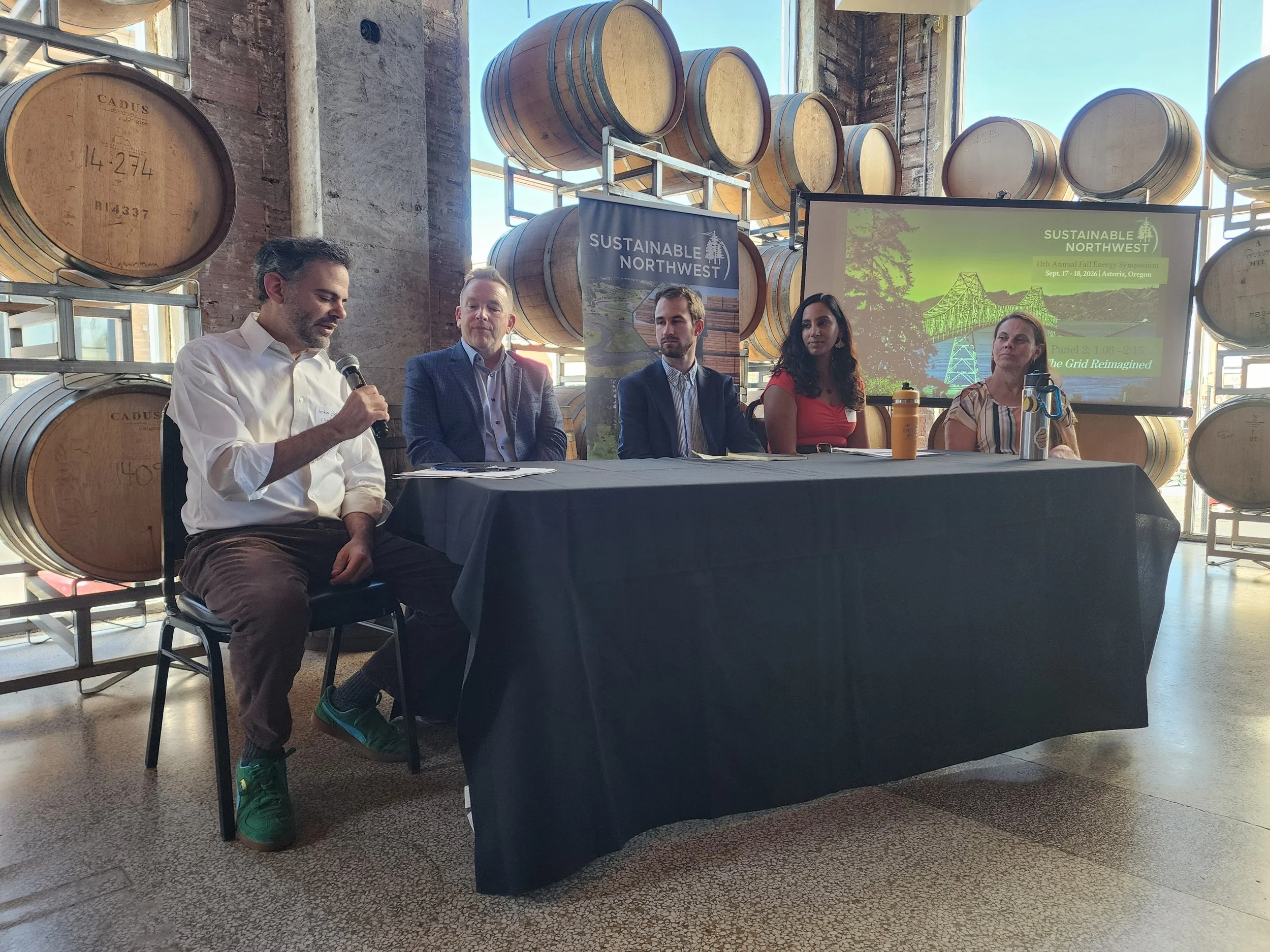
Panel 2: The Grid Reimagined
Moderator: Joshua Basofin, Oregon Clean Energy Program Director, Climate Solutions
Panelists:
Christine Golightly, Policy Analyst, Columbia River Inter-Tribal Fish Commission
Ruchi Sadhir, Associate Director, Strategic Engagement & Development, Oregon Department of Energy
Michael Kluz, Director of Operations, Wy’East Resource Conservation & Development
Dain Nestel, Founder & Fractional Growth Officer, Escend
This panel focused on rising energy demand and how to keep power reliable and clean. Golightly presented the Columbia River Inter-Tribal Fish Commission's 2022 Energy Vision for the Columbia River Basin, which aims for clean, reliable, affordable power alongside healthy salmon populations. Her recommendations start with energy conservation and efficiency, alongside cutting peak demand, which is hard on both salmon and electricity consumers. Recommendations are supported through demand side management (DSM) strategies, the expansion of onsite solar and battery storage, microgrids, and virtual power plants (VPPs) alongside an emphasis on placing renewable projects near existing lines or end users. Sadhir covered the Oregon Energy Strategy, whose modeling shows electricity demand roughly doubling by 2050, and Executive Order 25-29, which directs work on streamlining siting and building a framework for strategic transmission siting. Her presentation noted that limited transmission capacity is already bottlenecking wind and solar projects in Oregon. Kluz showed that rural-serving utilities have the most frequent and longest-duration outages. He showcased pathways for battery-led VPPs within rural electric service territories, which link batteries and other distributed energy resources (DERs) into one coordinated system, to strengthen rural resilience and defer costly grid and transmission upgrades. He described recent tech-sector partnerships as a potential funding pathway for rural VPPs. Nestel said the grid we need is mostly the grid we already have, and pointed to getting more from existing lines, grid utilization, flexible large loads, and VPP enrollment across the Northwest. Examples ranged from dynamic line ratings to Oregon's POWER Act, which led the PUC to require PGE's data centers of 20 MW or more to cover 100% of the distribution upgrades needed to serve them.
Panel 3: Community Engagement & Project Implementation
Moderator: Gabby Rhett, Program Manager, Energy Trust of Oregon
Panelists:
Shelby Knight, Community Development Program Administrator & Resilience Planner, Central Oregon Intergovernmental Council
Brad Moore, Agriculture Energy Efficiency Engineer, RPW Energy
Gabe Jacobsen, CEO, Jacobsen Salt Co.
Lucinda Taylor, Executive Director, Habitat for Humanity of Lincoln County
Panelists shared success stories about how partnerships, fund stacking, and community engagement help projects get done. Knight described how Crook, Deschutes, and Jefferson counties wrote energy resilience plans together as a regional group while shaping priority projects around each community. Moore shared an irrigation upgrade at Duncan Livestock and Hay in Chiloquin. The $340,000 project drew on a USDA REAP grant, an OWEB grant, and Energy Trust incentives, and it now saves about $20,000 a year in energy costs and 62.1 million gallons of water. Jacobsen talked about how Jacobsen Salt Co. grew production by 50% in the past year while working to shrink its footprint.
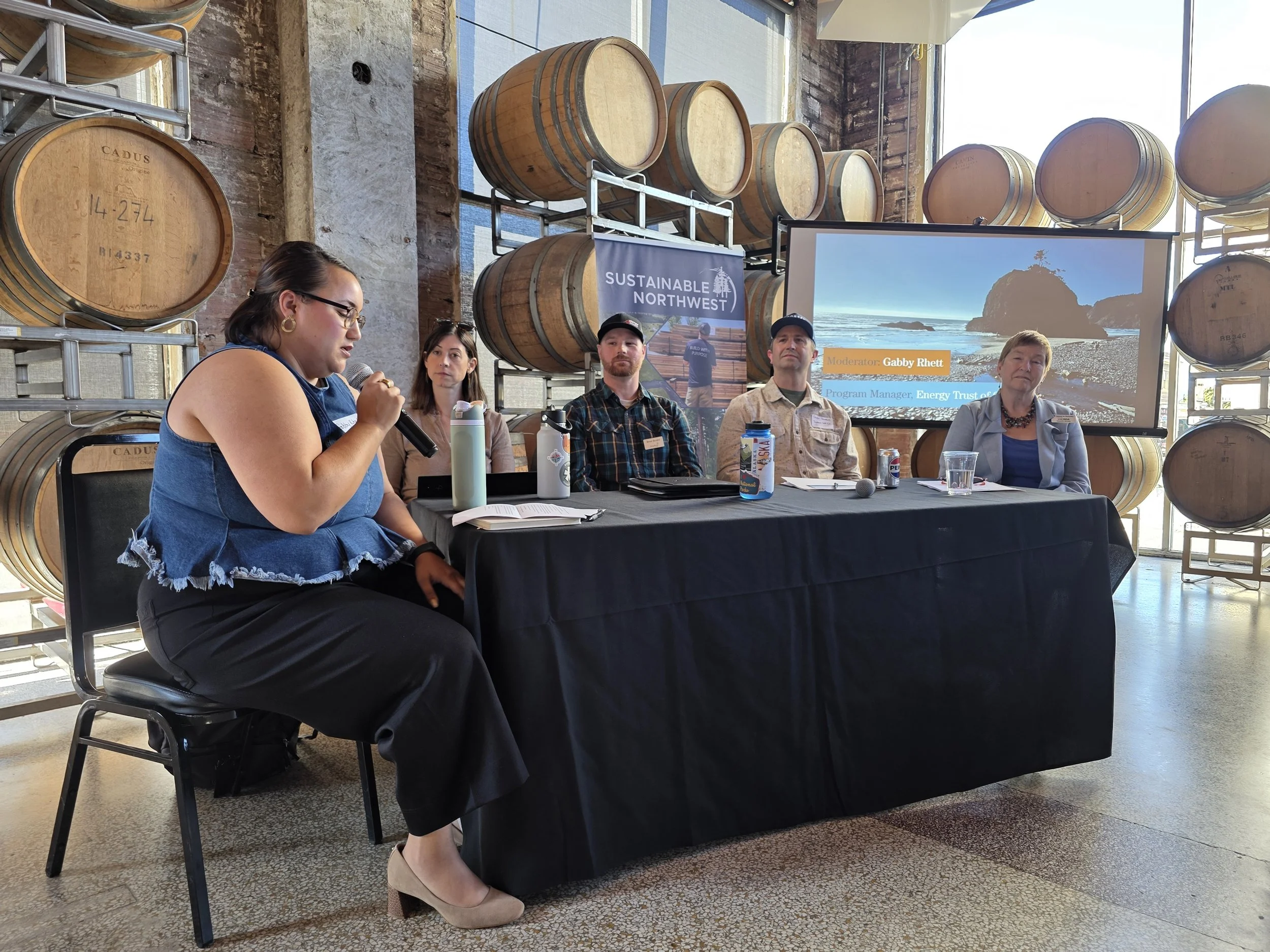
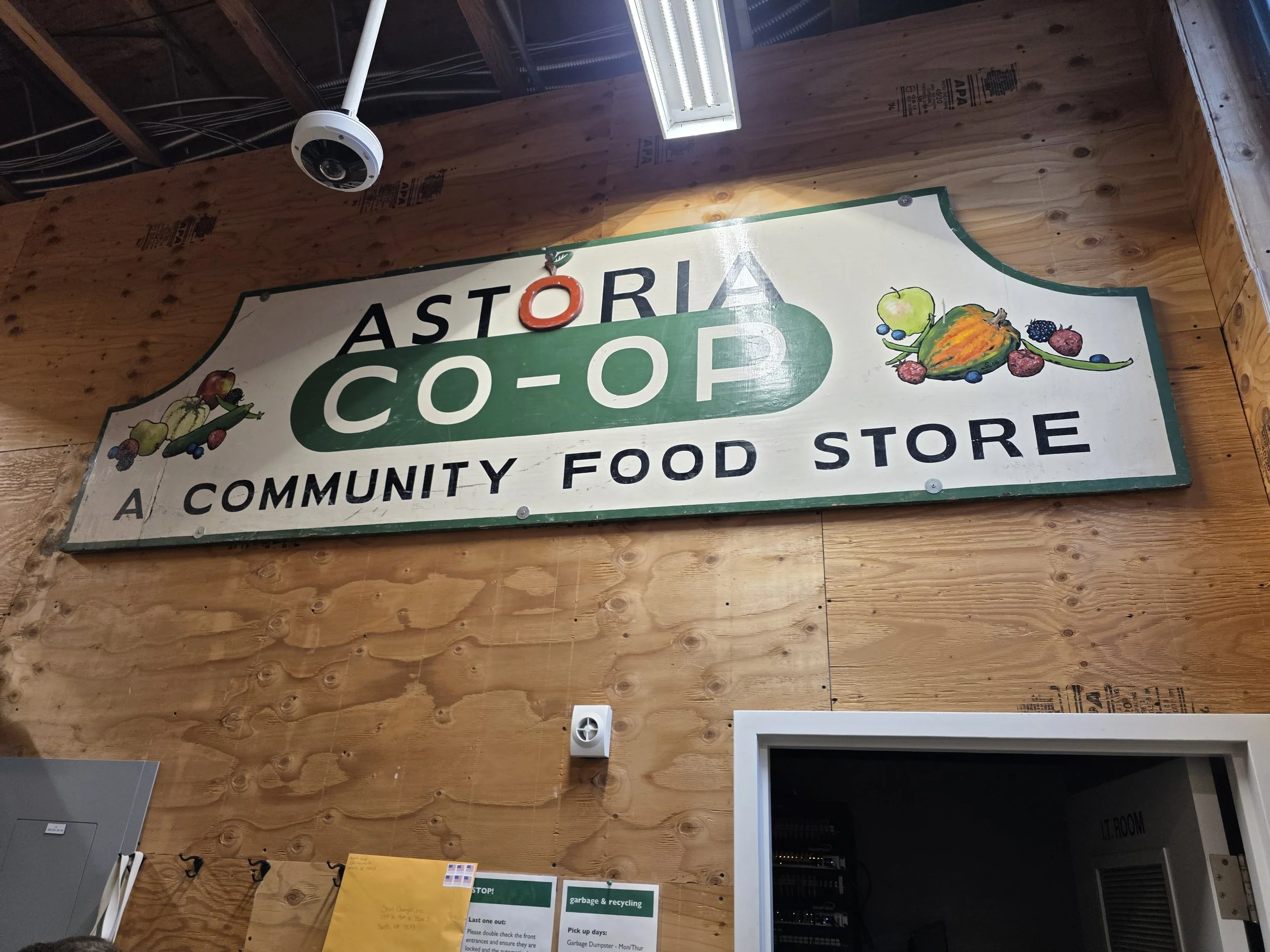
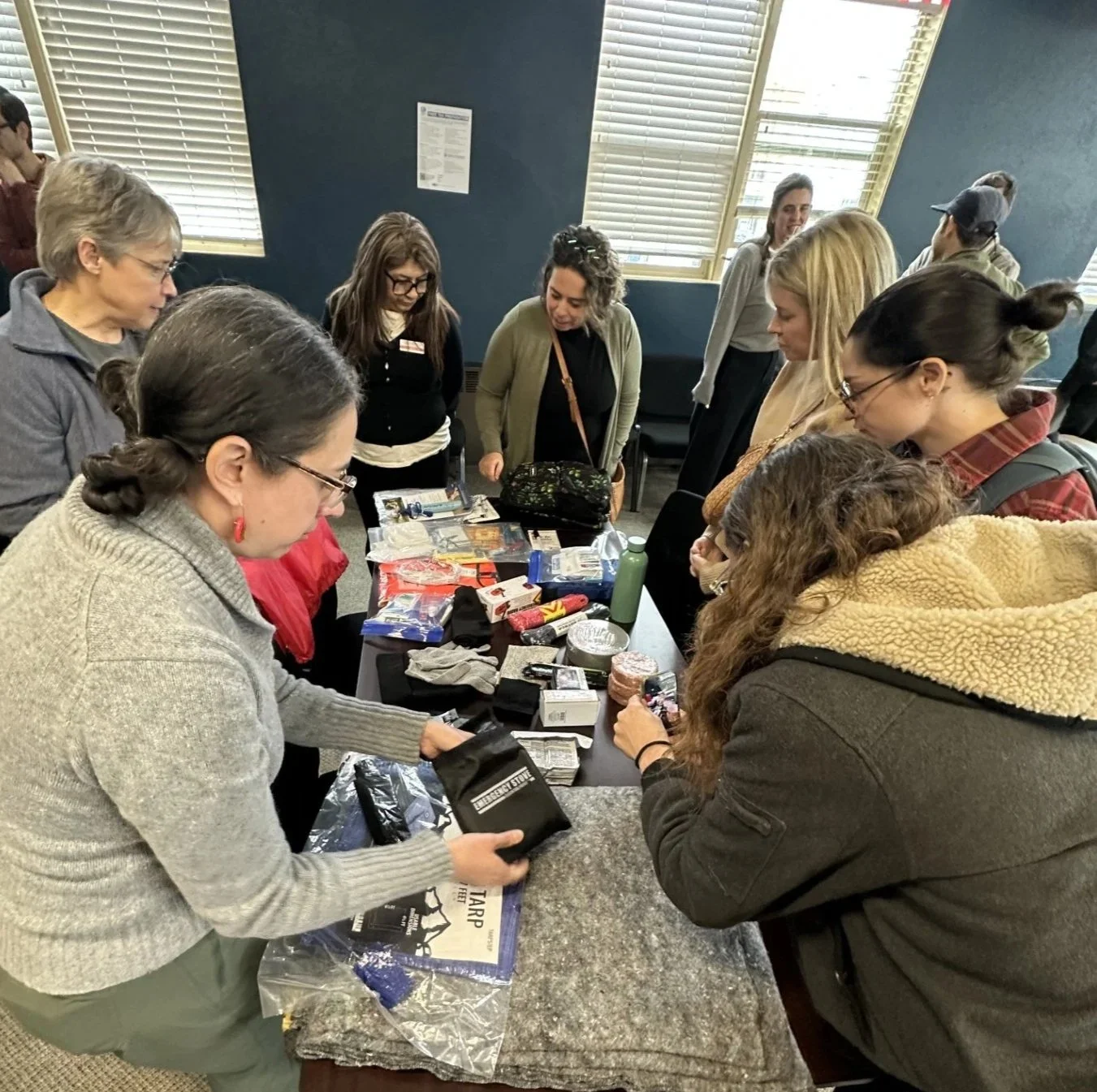
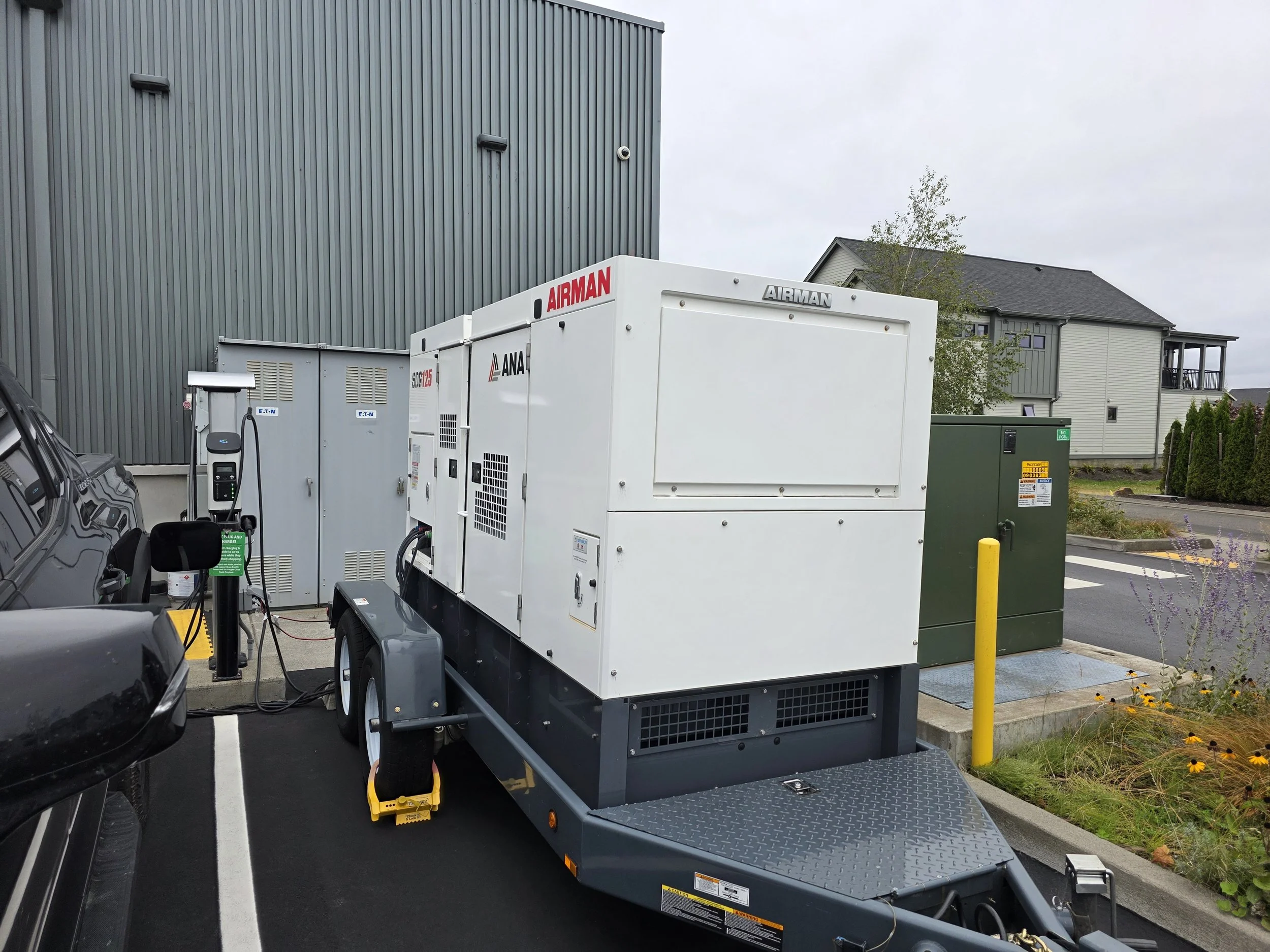
Photos by: Wy’East RC&D
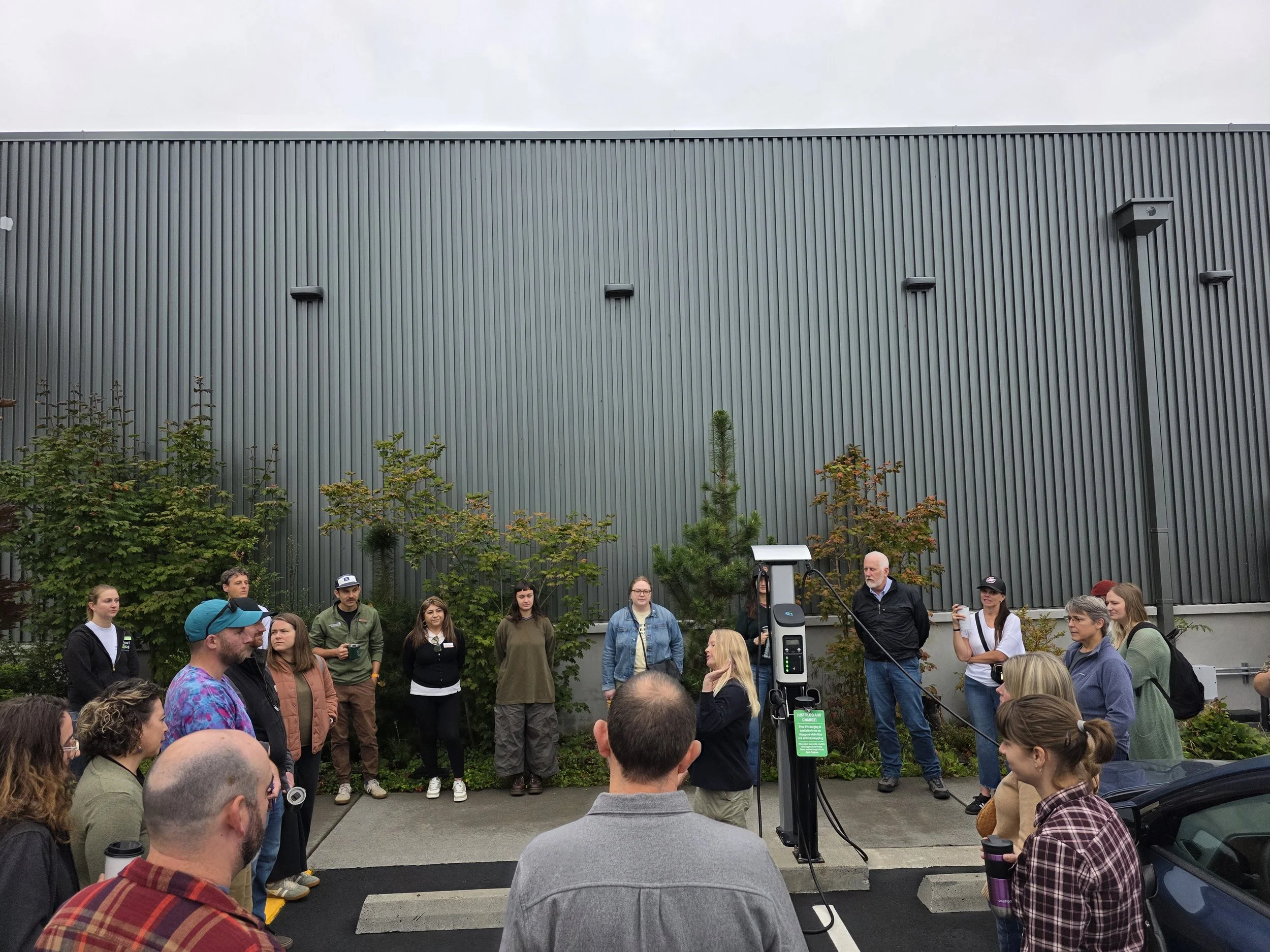
Day two of the Symposium was an opportunity to join tours of two local organizations, the Astoria Co-Op and Consejo Hispano, which are both taking great steps to increase their energy efficiency and resiliency as a way to support the community members of Astoria. Astoria Co-Op, a community-owned grocery store that has served the North Coast for over 50 years, showed its solar array, refrigeration heat recovery system, and EV charging. Casa Mariposa, run by Consejo Hispano in a former church, shared plans to add solar, storage, and efficiency upgrades so the building can become an energy resilience hub.
A big thank you to Sustainable Northwest, Fort George Brewery, and everyone who presented and provided tours for contributing to another successful Energy Symposium!